Blog

Top High Visibility Running Gear Suppliers Worldwide

Top High Visibility Running Gear Suppliers Worldwide

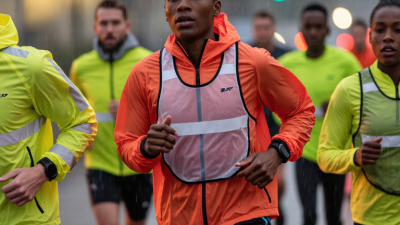
Choosing the right high-visibility running gear supplier requires more than comparing bright colors and wholesale prices. Visibility must remain effective at dawn, dusk, rain, and poorly lit streets. A jacket that glows under showroom lights may perform differently after repeated washing. That gap matters. The World Health Organization reports that road traffic injuries remain a leading cause of death among people aged 5–29. Its road-safety expert, Dr. Etienne Krug, states, “Road traffic injuries are a major public health problem, but they are preventable.” For runners, prevention begins with earlier recognition by drivers, cyclists, and other road users. NHTSA’s Traffic Safety Facts also recorded more than 7,300 pedestrian deaths in the United States during 2023. Night conditions remain especially dangerous. These figures do not prove that clothing alone prevents collisions. They do show why product design deserves careful attention. This guide examines top high-visibility running gear suppliers worldwide through measurable details. We consider reflective coverage, fluorescent fabric, weather resistance, fit, washing durability, certification, and supply consistency. ANSI/ISEA 107 provides a useful benchmark for high-visibility apparel, although not every running product is designed for formal workplace certification. Supplier claims still require checking. Materials can fade. Seams can weaken. Sizing can disappoint. No ranking is flawless. Regional standards, climate, and running habits change the decision. A lightweight vest may suit a humid city, while an insulated jacket may work better on a cold rural route. The strongest suppliers combine tested materials with practical design. They also explain limitations clearly, which is often overlooked.
Read more »
Oliver By:Oliver - October 12, 2026
How to Choose Urban Cycling Safety Gear?

How to Choose Urban Cycling Safety Gear?

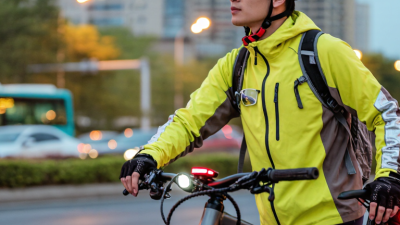
Choosing urban cycling safety gear is less about buying the most expensive equipment. It is about matching protection to your route, traffic conditions, weather, and riding habits. A helmet may be essential, but it cannot correct poor visibility or careless positioning. Good equipment supports safer decisions; it does not replace them. This guide examines urban cycling safety gear through practical riding experience and established safety principles. We will consider helmets with recognized safety certification, bright front and rear lights, reflective details, gloves, eye protection, and weather-resistant clothing. Each item should fit properly and remain comfortable during ordinary trips. A helmet that shifts at every intersection is not reliable, regardless of its brand. Tight gloves can also reduce control, especially during longer rides. Small details matter. Reflective strips can catch a driver’s attention near a dark junction. Clear lenses may protect your eyes from dust, rain, and sudden wind. A rear light should remain visible when a backpack covers part of your jacket. Think about your actual journey. A quiet suburban lane needs different preparation from a crowded avenue with buses and delivery vehicles. There is no perfect setup. I have found that riders sometimes carry too much equipment and use none of it correctly. Others trust bright clothing while neglecting lights after sunset. That is worth reconsidering. Safety choices should be tested during real rides, adjusted after uncomfortable experiences, and checked regularly for damage. The right gear feels dependable, but it should never encourage overconfidence.
Read more »
Charlotte By:Charlotte - October 7, 2026
What Are Reflective Frame Stickers and How Do They Work?

What Are Reflective Frame Stickers and How Do They Work?

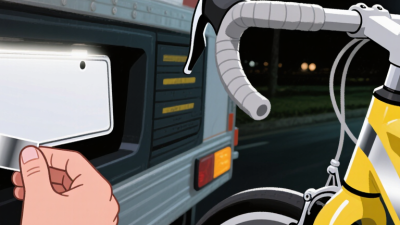
When a bicycle, trailer, or vehicle needs greater nighttime visibility, small reflective frame stickers can offer a practical solution. These thin adhesive labels use retroreflective material, which returns light toward its source. A headlight beam strikes the surface. The sticker then appears bright to the approaching driver. It does not produce light independently. That distinction matters. Reflective frame stickers are commonly applied around license plates, safety frames, equipment panels, or bicycle components. Their performance depends on clean surfaces, firm pressure, correct placement, and a suitable viewing angle. Dust, water, peeling edges, and heavy scratches can reduce their brightness. Poor installation can create false confidence. The brightest material still fails when hidden behind mud or luggage. In practical testing, visibility should be checked from several distances and directions, not only under a phone flash. This simple step often exposes weak adhesion or uneven coverage. This article explains the materials, optical principle, installation process, and maintenance habits behind these stickers. It also separates useful visibility support from exaggerated advertising claims. Product quality varies. Some labels fade quickly, while others remain readable after weather exposure. Buyers should examine measurements, adhesive information, durability testing, and supplier transparency. Local rules may also affect where reflective markings can be placed, so responsible use requires checking applicable guidance. Reflective frame stickers can improve recognition, but they cannot replace lights, safe riding, or attentive driving. They are helpful, not magical. Understanding their limits leads to better decisions and more reliable safety practices.
Read more »
Oliver By:Oliver - October 2, 2026
7 Tips for Choosing Rechargeable Bike Tail Lights?

7 Tips for Choosing Rechargeable Bike Tail Lights?

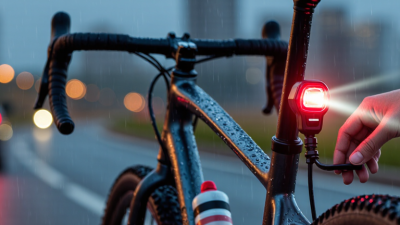
Choosing rechargeable bike tail lights is more important than chasing the brightest product on a sales page. A reliable rear light should help drivers notice your position, movement, and distance in changing conditions. The World Health Organization’s Global Status Report on Road Safety 2023 identifies cyclists as vulnerable road users facing serious traffic risks. In the United States, NHTSA’s Traffic Safety Facts: 2022 recorded 1,105 bicyclist fatalities in traffic crashes. These figures make visibility a practical safety decision, not merely an accessory preference. This guide presents seven useful tips for selecting rechargeable bike tail lights. It examines brightness, flash patterns, battery capacity, charging time, weather resistance, mounting security, and side visibility. A light may advertise 100 lumens, yet perform poorly behind a wide saddlebag. A small lens can disappear in heavy rain. A loose rubber strap can tilt the beam toward the pavement. Details matter. PeopleForBikes’ 2024 U.S. Bicycling Participation Study also reflects how varied riding has become, from short urban trips to longer recreational routes. One design cannot suit every rider. Think beyond the number. A dependable light should be tested in realistic conditions. Check whether its beam remains visible from an angle, whether the battery indicator is understandable, and whether charging uses a common cable. I would not assume every “waterproof” claim means equal protection; product testing methods can differ. The seven tips ahead encourage careful comparison, practical inspection, and a little skepticism. No tail light removes every road hazard. However, choosing rechargeable bike tail lights thoughtfully can improve visibility and reduce avoidable equipment failures.
Read more »
Charlotte By:Charlotte - September 23, 2026
10 Best High Lumen Bicycle Headlights for Global Buyers

10 Best High Lumen Bicycle Headlights for Global Buyers

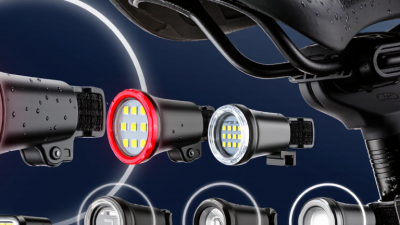
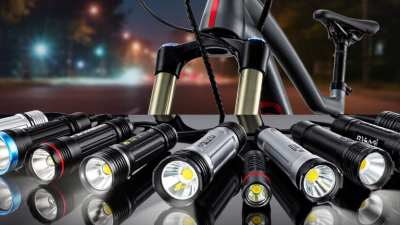
Choosing powerful bicycle lighting is not simply a race for the highest lumen number. High-lumen bicycle headlights can brighten an unlit trail, reveal potholes, and help drivers notice a rider at dusk. However, excessive brightness can also glare into approaching eyes. Peter White, a long-time bicycle-lighting specialist, puts it plainly: “A bright light is not necessarily a good light.” That warning deserves attention. This guide examines 10 Best High Lumen Bicycle Headlights for Global Buyers. It considers real riding conditions, not only laboratory figures. A 1,500-lumen lamp may impress on a product page, yet its beam shape, heat control, and runtime decide its usefulness. A focused beam can guide a rider through wet woodland paths. A broad, lower setting may work better on busy urban streets. Small details matter. Battery capacity matters too. We compare charging systems, mounting stability, weather resistance, daytime visibility, and brightness controls. We also consider whether product claims are clearly explained and whether regional lighting expectations may differ. Some buyers need a compact commuter lamp. Others need dependable illumination for long gravel routes or remote roads. No single model fits every cyclist. This overview is designed for informed purchasing. It combines technical specifications with practical questions: Can the lamp remain stable over rough ground? Does its output fade near the end of a ride? Can other road users see the cyclist without discomfort? The answers are not always perfect. Marketing language can confuse. Independent testing may also vary. Careful comparison remains essential.
Read more »
Charlotte By:Charlotte - September 23, 2026
China Best Wearable LED Safety Lights Wholesale?

China Best Wearable LED Safety Lights Wholesale?

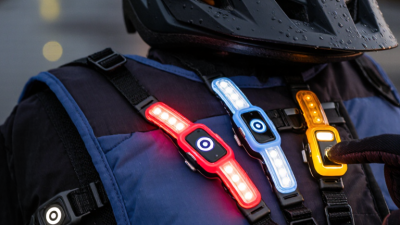
Finding the best China wholesale supplier for wearable LED safety lights requires more than comparing prices. Buyers must examine product design, factory experience, testing records, and communication quality. A bright light is not automatically a dependable one. Practical evaluation starts with real samples. Check how the light clips onto a jacket, helmet, backpack, or running vest. Test visibility during dusk, rain, and low-temperature conditions. Inspect switch response, battery access, charging ports, and stitching around flexible LED strips. Ask suppliers for production photos, material details, quality-control procedures, and relevant test documentation. These steps reveal whether a factory understands daily safety use or simply repeats catalogue descriptions. Small details matter. The strongest suppliers usually offer stable specifications, clear sampling processes, and consistent batch production. They should explain LED brightness, operating modes, battery life, water-resistance capability, packaging options, and private-label support without making vague promises. Buyers should also confirm minimum order quantities, lead times, replacement policies, and pre-shipment inspection arrangements. “Best” depends on the project. A distributor may value low minimum orders, while a safety-equipment brand may prioritize durability and traceable quality. Not every attractive sample survives mass production; that is an uncomfortable but important possibility. Careful buyers compare at least three suppliers, record test results, and request corrective action before placing a large order. With disciplined sourcing, wearable LED safety lights can become a reliable product line rather than a short-lived promotional item.
Read more »
Charlotte By:Charlotte - September 23, 2026